Guadalupe part 2
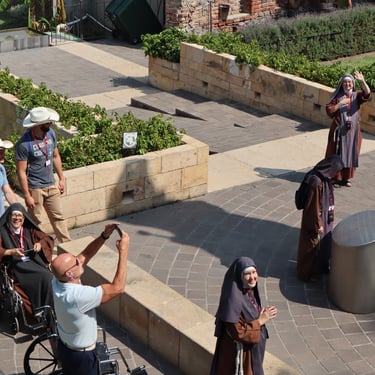
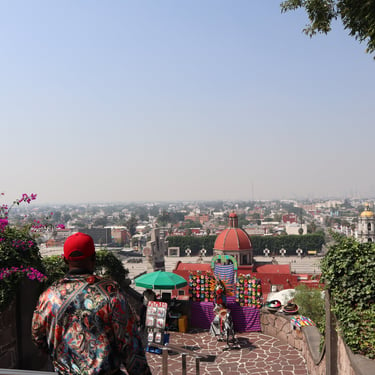
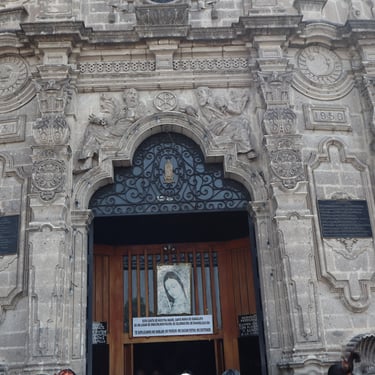
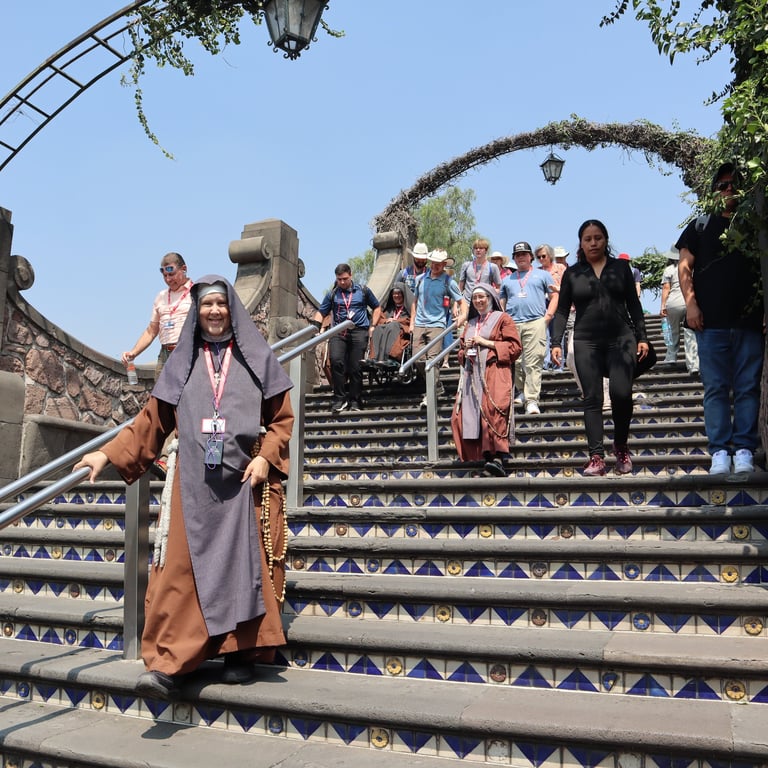
Up Tepeyac Hill to the Chapel of the Roses
(Please note: you may notice in the photos that some of the sisters are in wheelchairs, and perhaps you are wondering if they are OK. They are fine, they just have foot problems and knew they would not be able to do all the walking on the trip.)
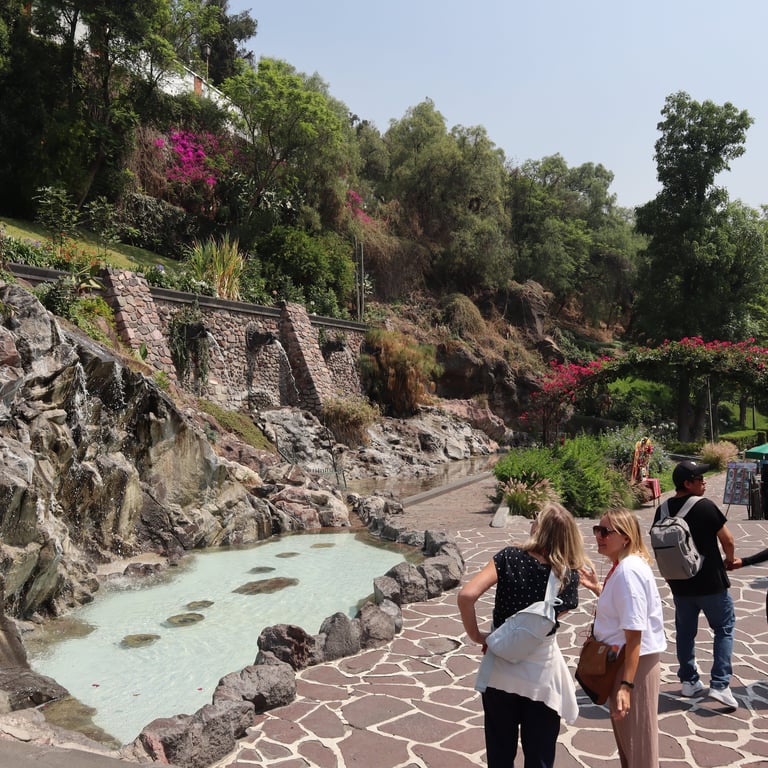
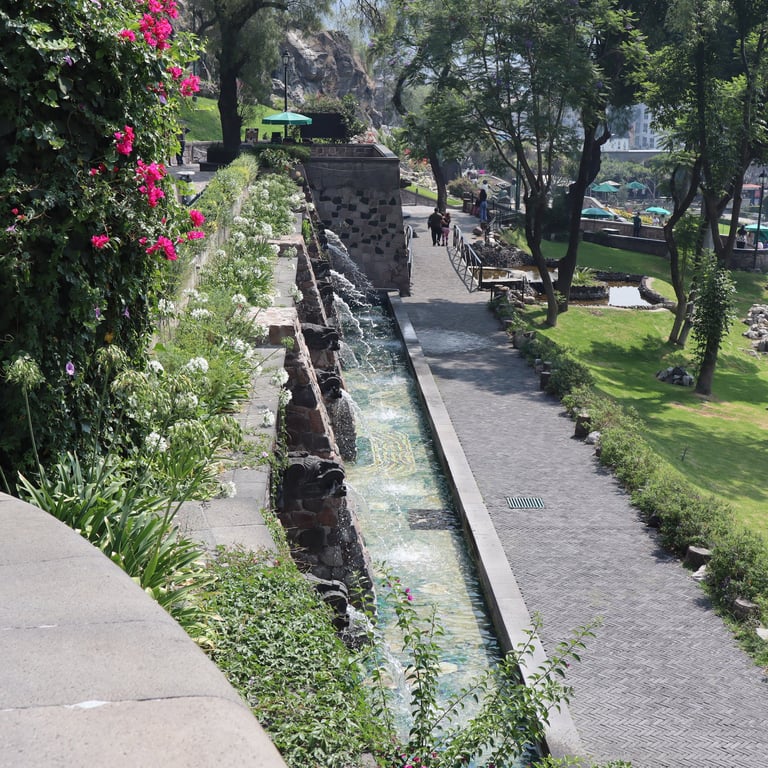
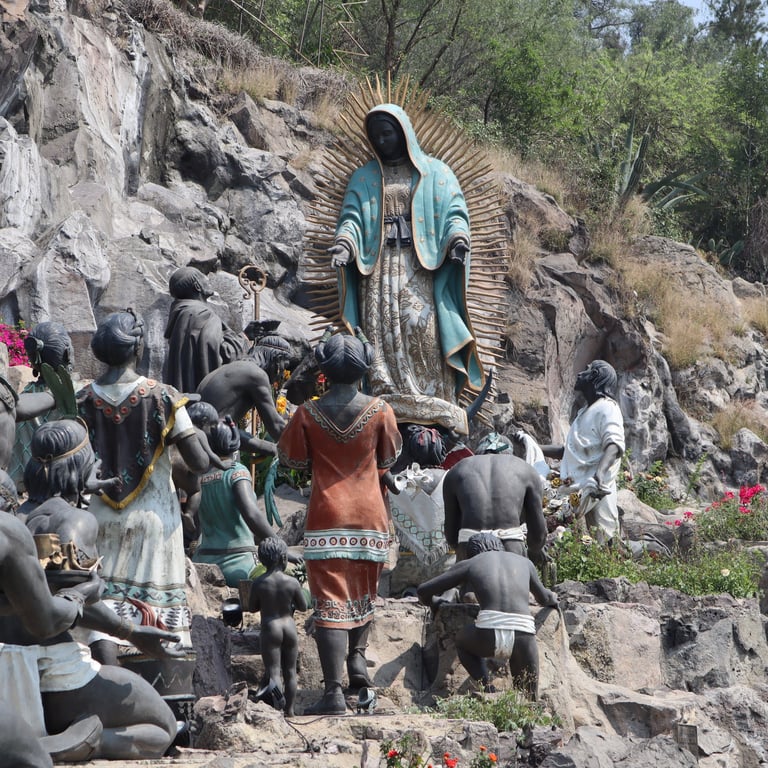
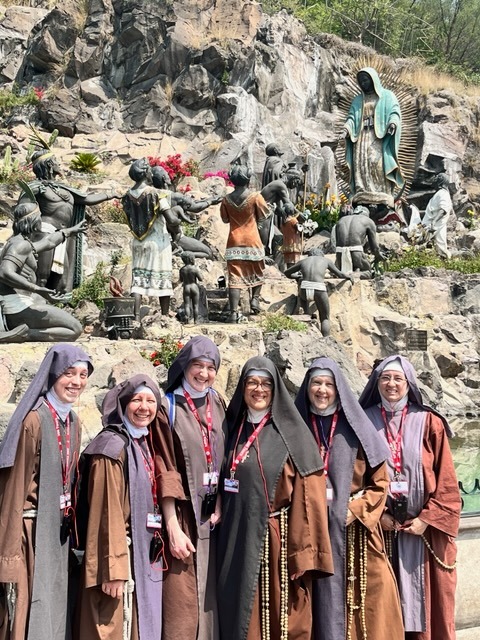
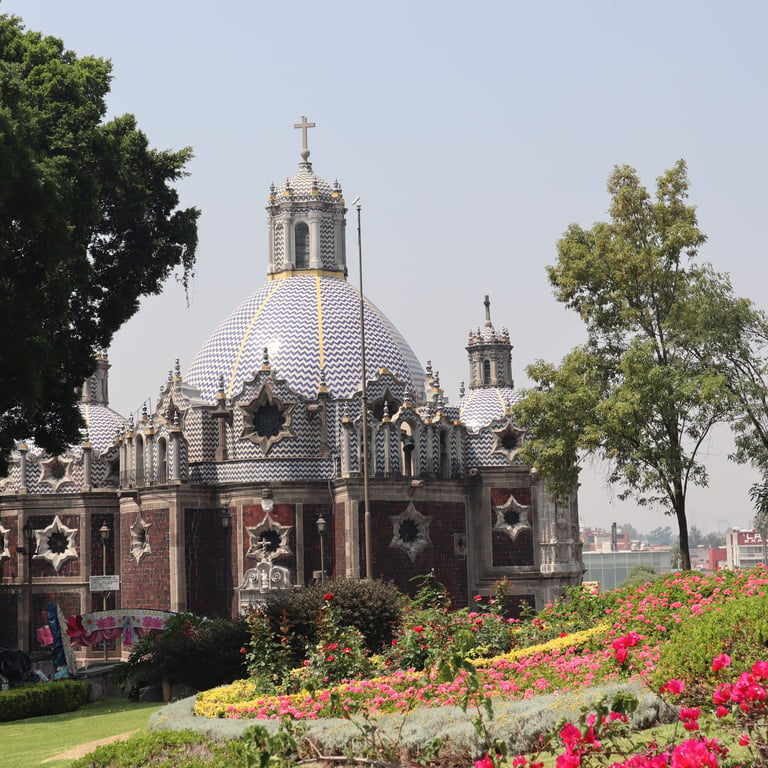
Back down Tepeyac. On the other side is the statue scene called "La Offerenda"- "The Offering" depicting the natives bringing gifts to our Lady. Also, you can see the "Chapel of the Well." The landscaping was amazing.
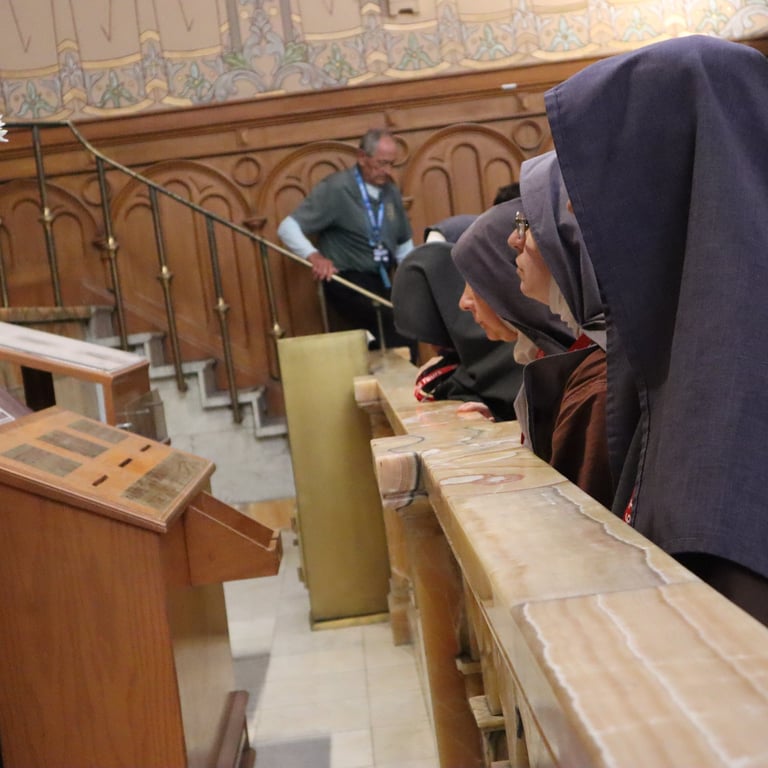
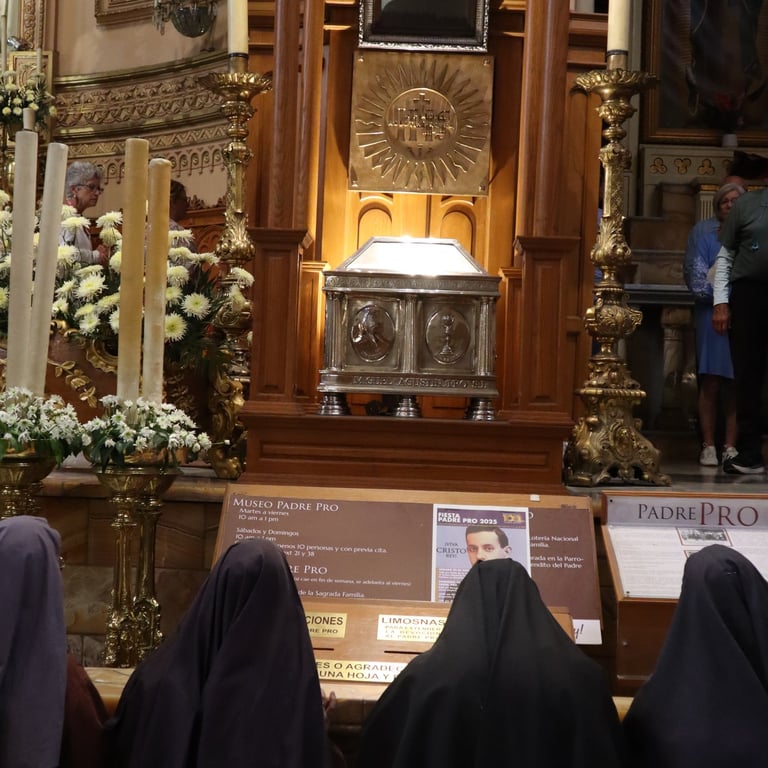
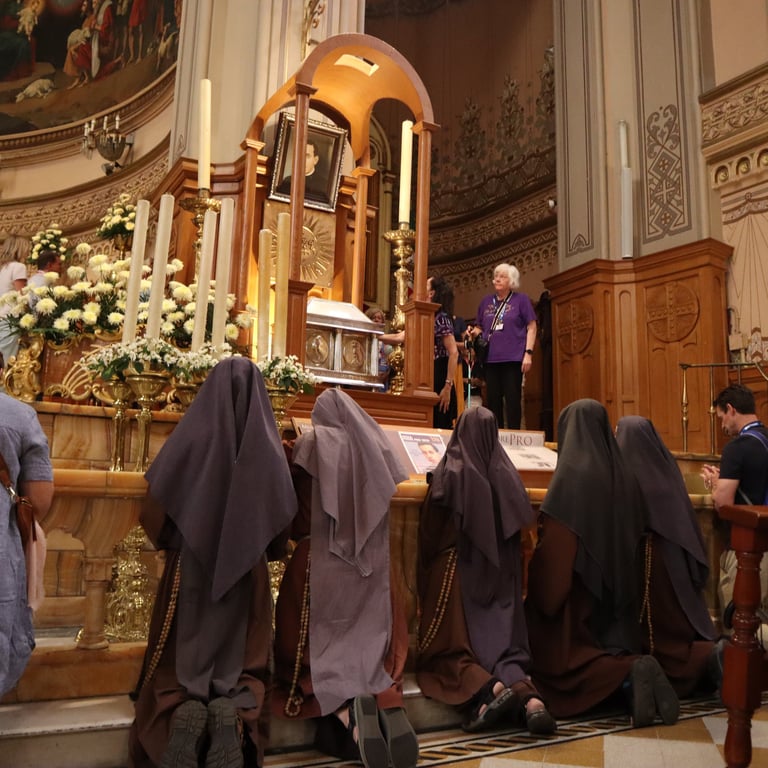
Holy Family church and the relics of Bl. Miguel Pro
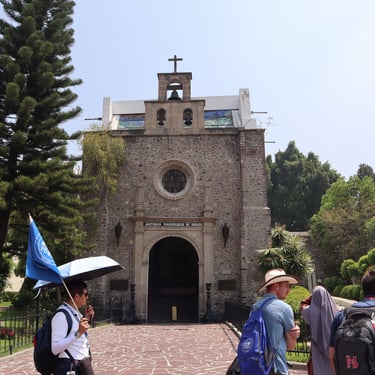
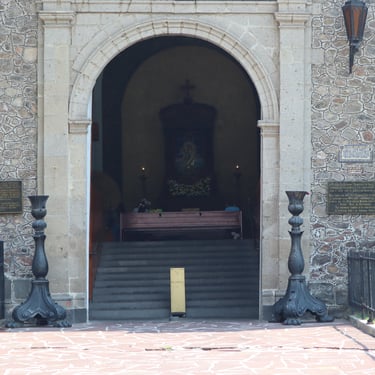
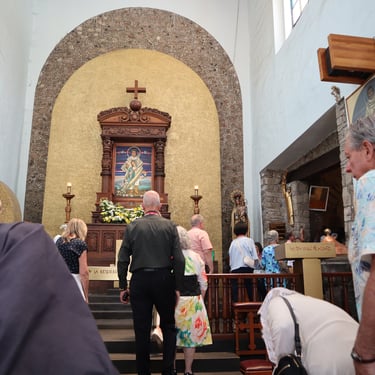
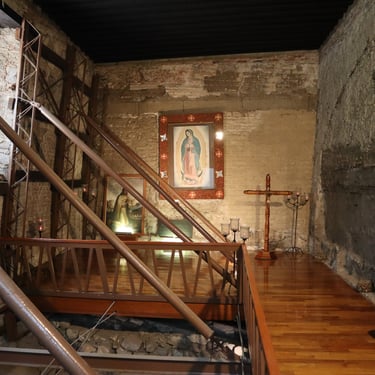
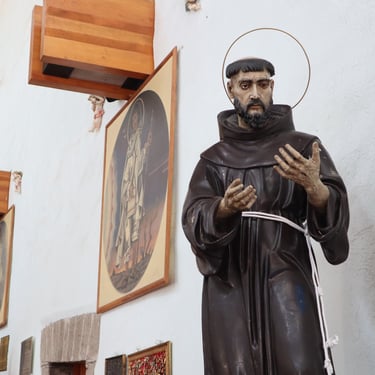
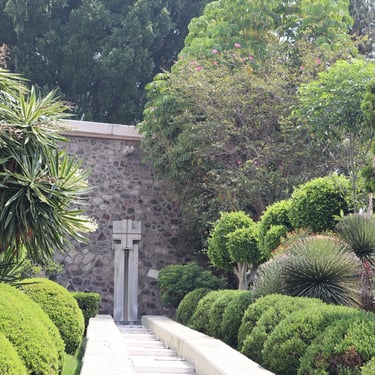
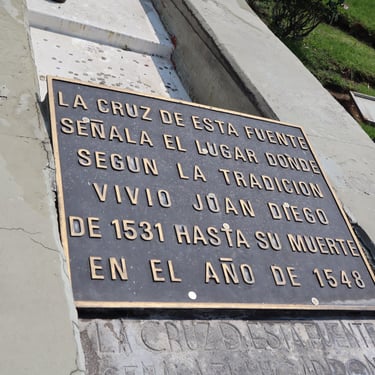
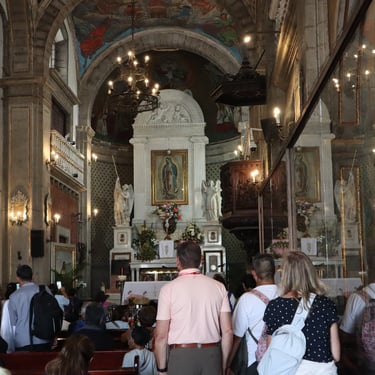
The "Old Parish of the Indians" where we had Mass. This was the original church built after our Lady's Appearances. The picture of our Lady in this chapel is a copy- the original now resides in the main Basilica.
St Juan Diego moved to a little house next door, which once stood near the cross outside the church. It is believed that he is buried nearby, but unfortunately the headstone was removed from his grave during the war, and the exact location is no longer known.
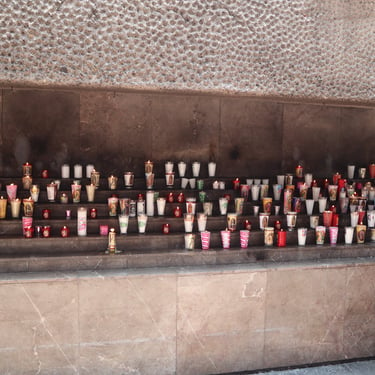
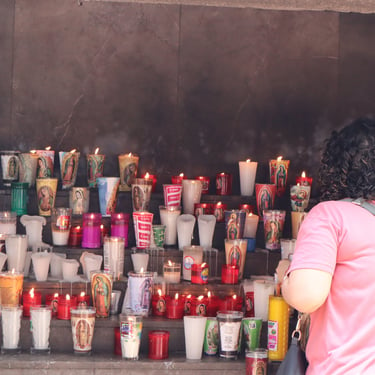
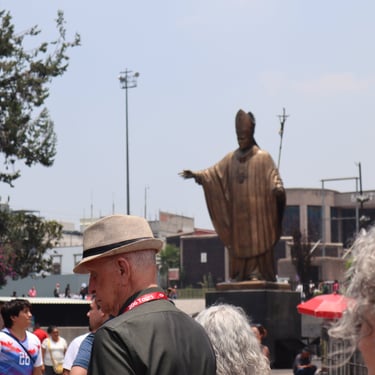
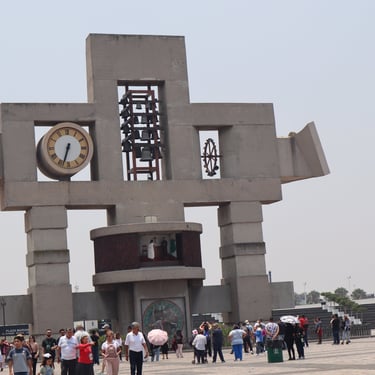
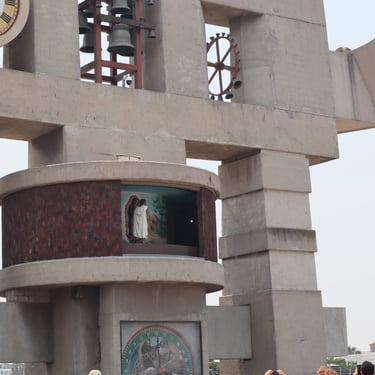
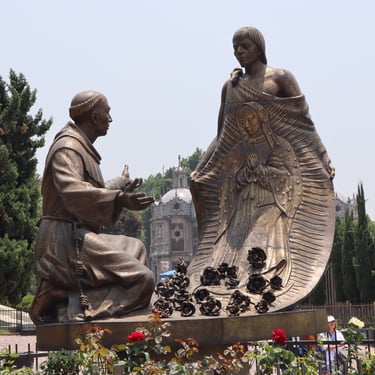
Various photos from the Piazza
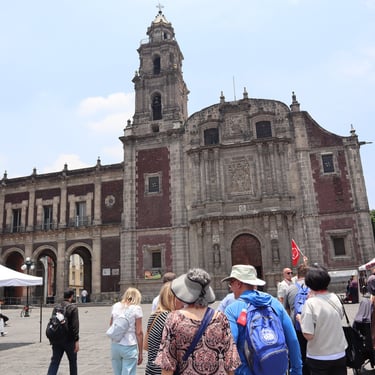
St Dominic's
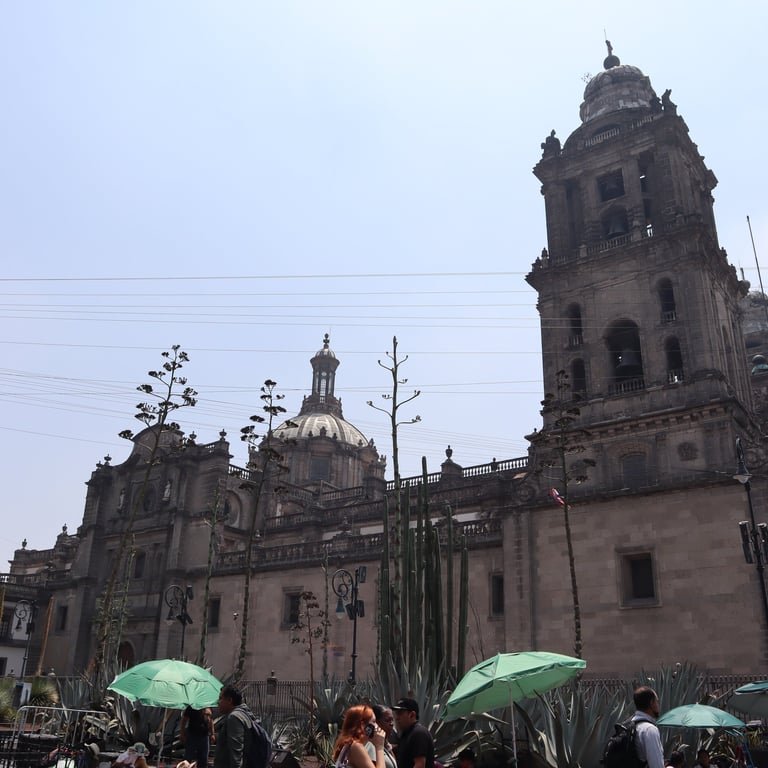
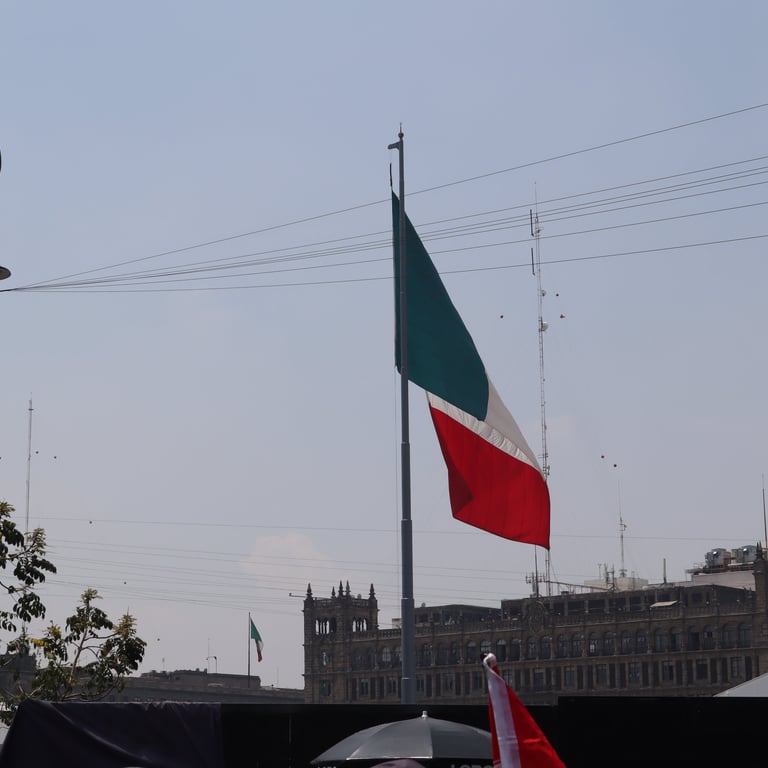
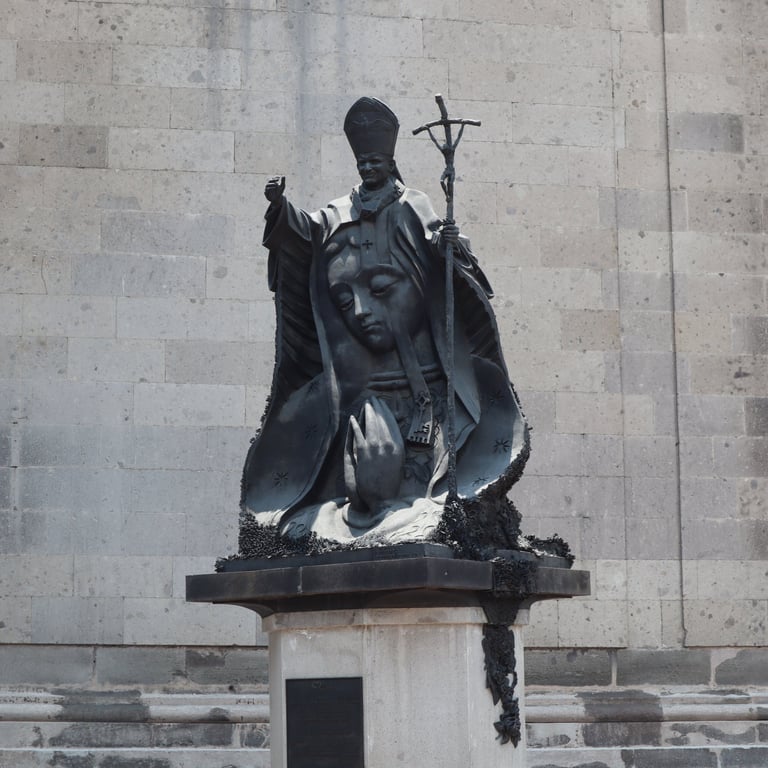
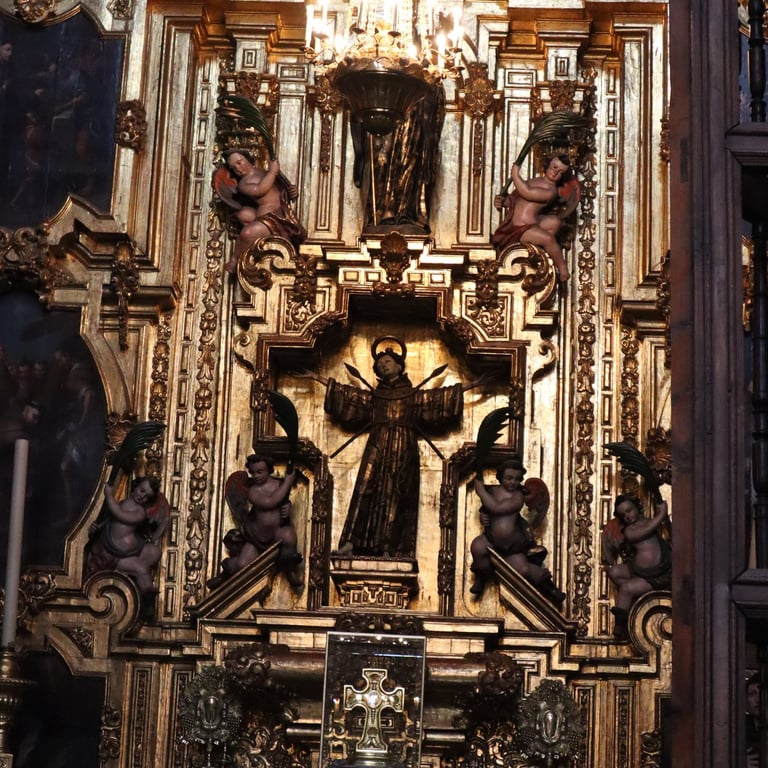
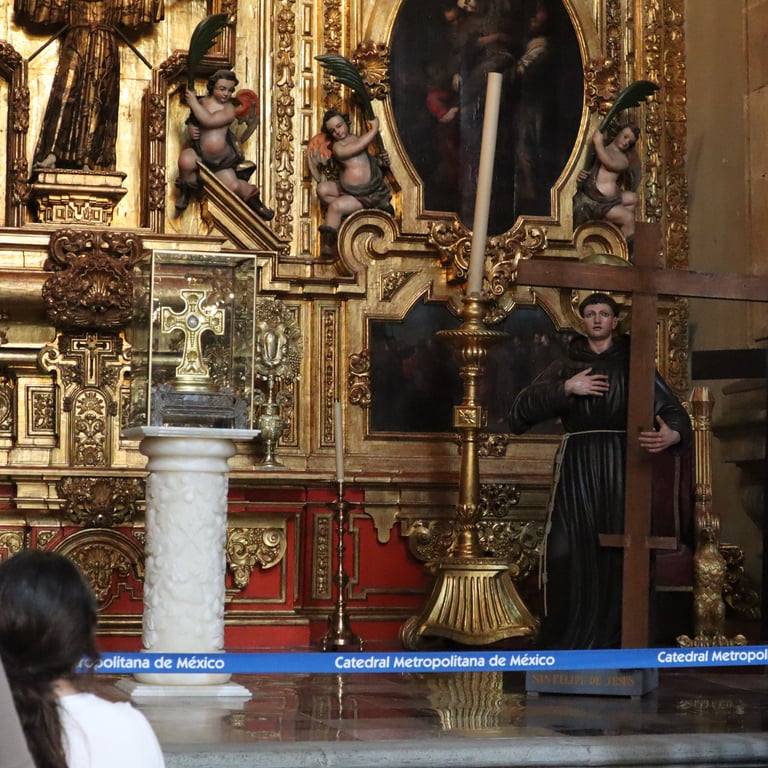
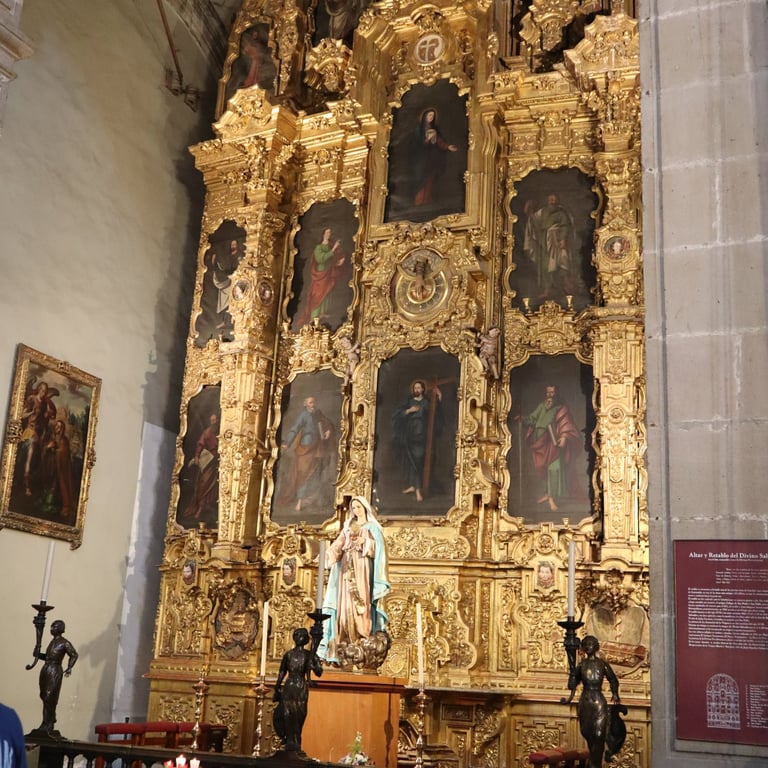
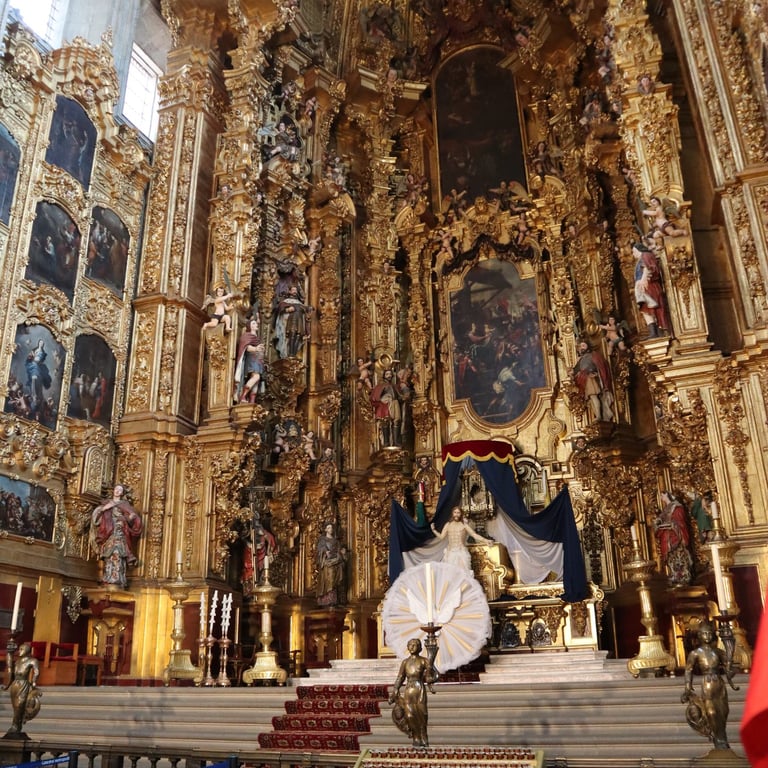
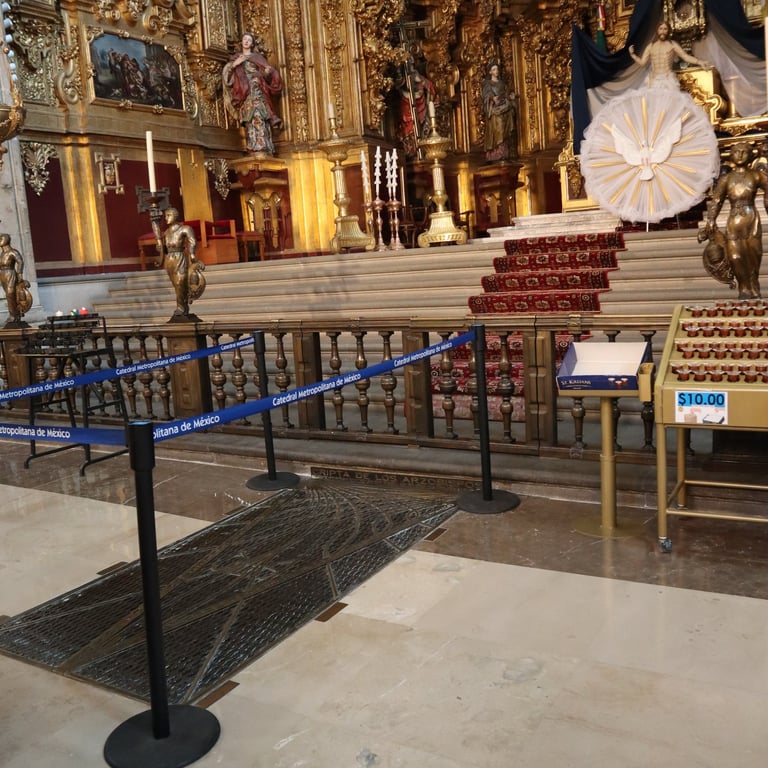
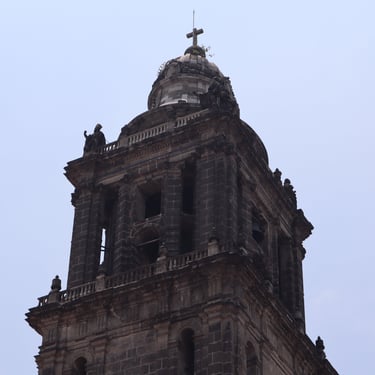
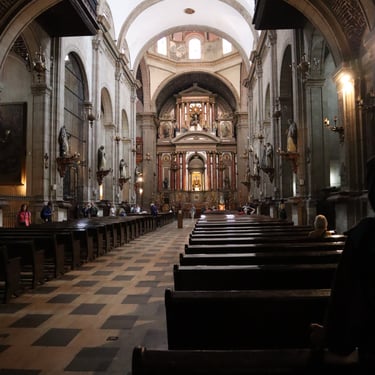
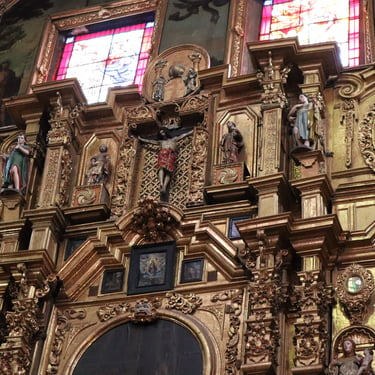
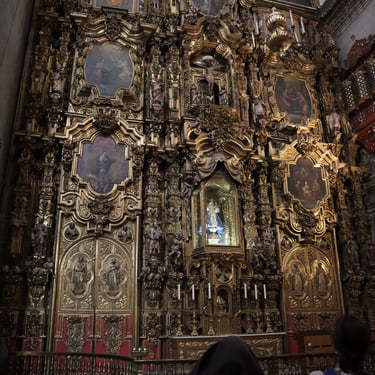
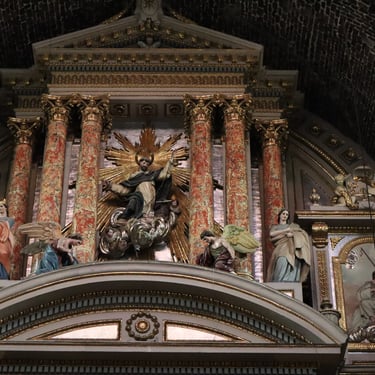
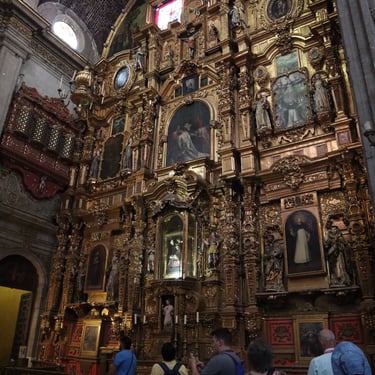
The Metropolitan Cathedral- the Largest and Oldest basilica in all the Americas.
The relic shown is that of St Philip of Jesus, the first Mexican saint.
The crypt (roped off with blue ribbon) contains the remains of several bishops, including Bishop Zummaraga, the one to whom St Juan brought our Lady's messages.
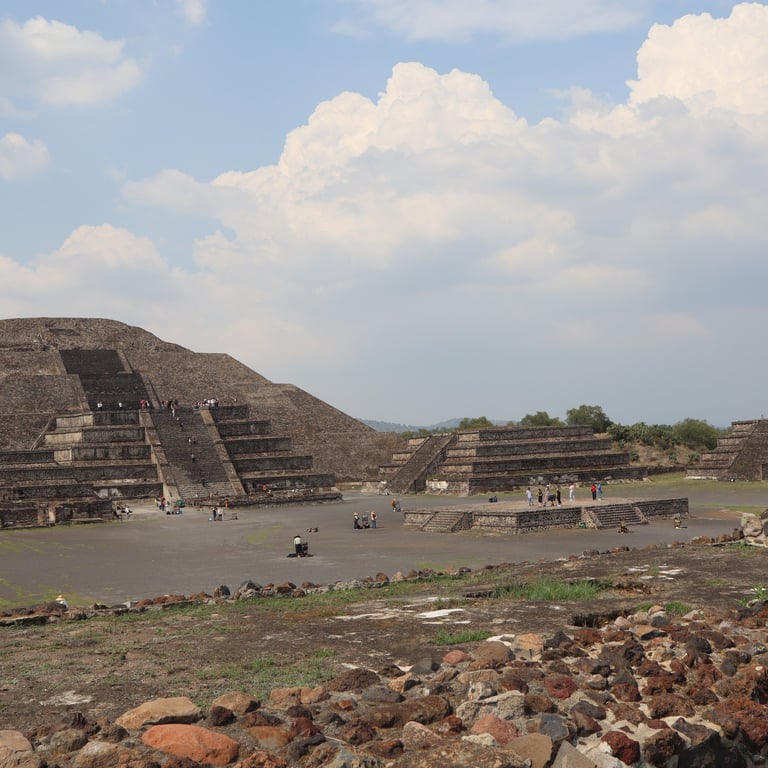
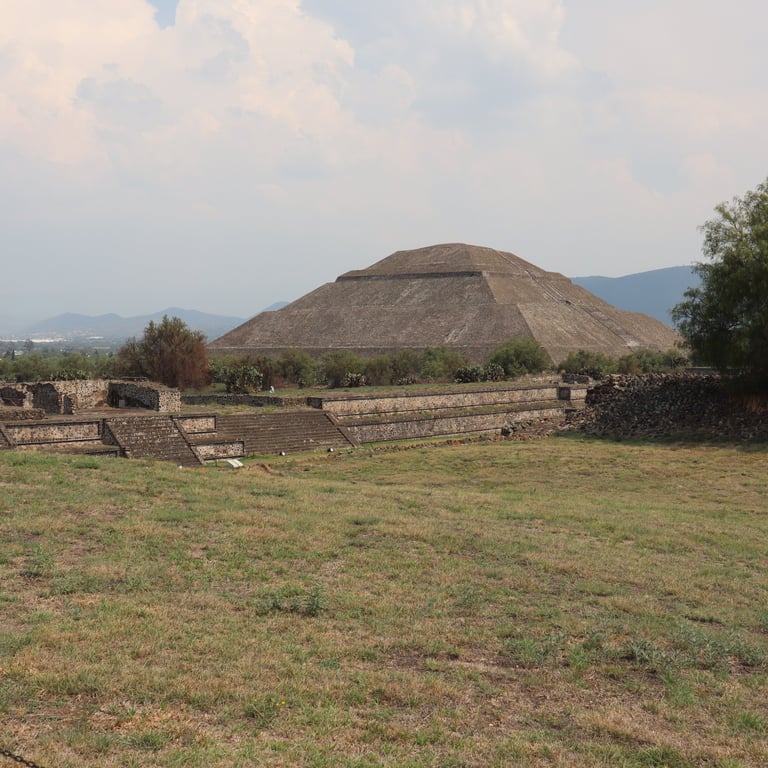
We also went to see the pyramids. The aztecs did not use these pyramids. An unknown people built the pyramids and a whole city long before the Aztecs arrived. When they found it, they thought that "only gods could build such structures" and thought it was some sort of divine meeting place. They kept walking on to what is now mexico city to build their own city and pyramids, which were destroyed by the Spaniards. These pyramids were not destroyed because they were so overgrown with weeds and brush that the Spaniards thought they were just small mountains. Archiologists late discovers the pyramids and city.
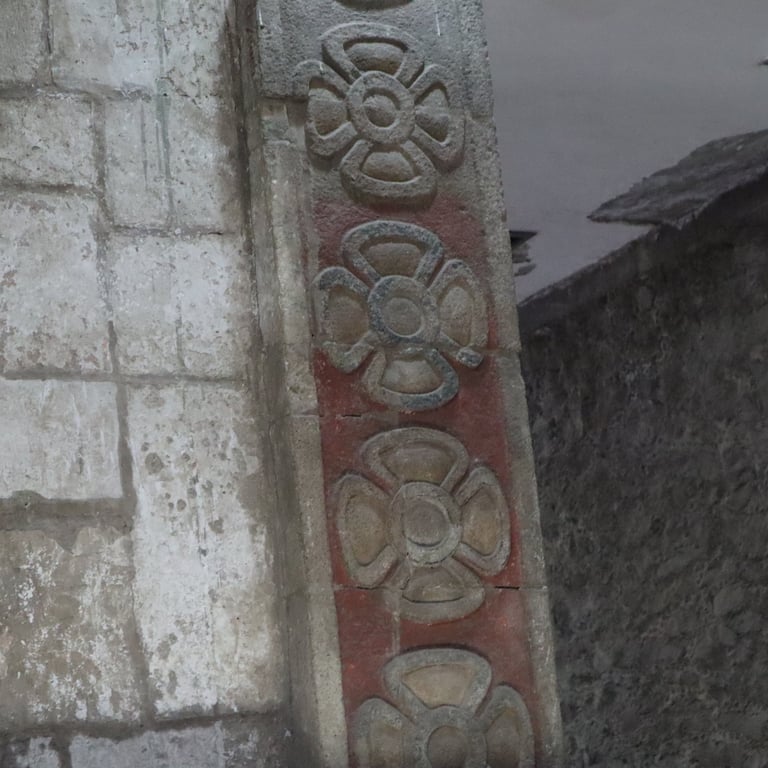
The interesting thing about this is that in one of the buildings, supposedly a temple, there is the four-petaled flower. The Aztecs believed that this flower was a symbol of divinity and represented the center of the universe; the four petals represented each of the cardinal points. But the Aztecs didn't build this city. This shows that the belief that this flower was "divine" predates the Aztecs. This flower appears once in the image of our Lady of Guadalupe- it is imprinted on her dress over her womb. This was key to the conversion of the Mexicans, because this told them that the child she is pregnant with is God.
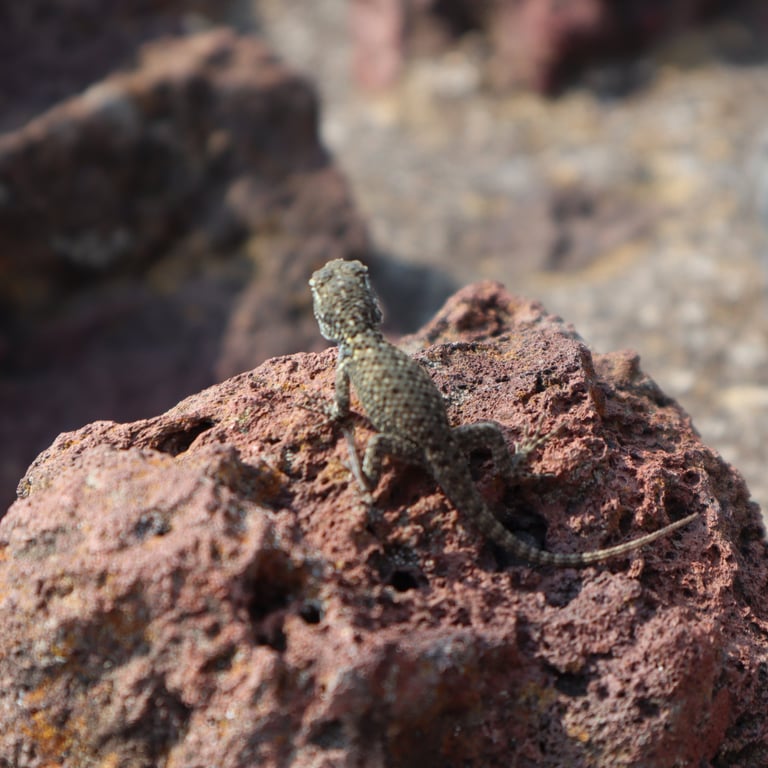
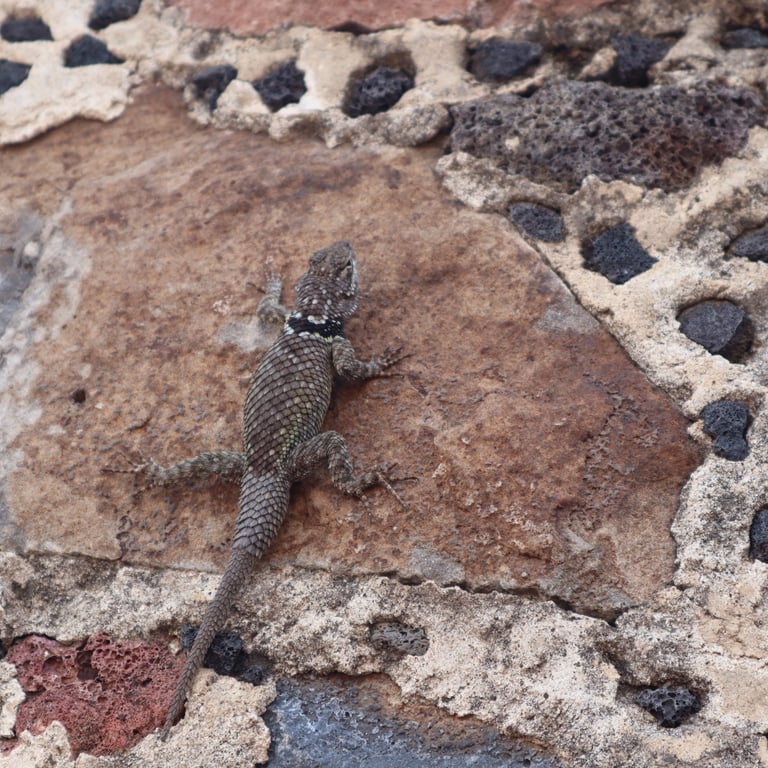
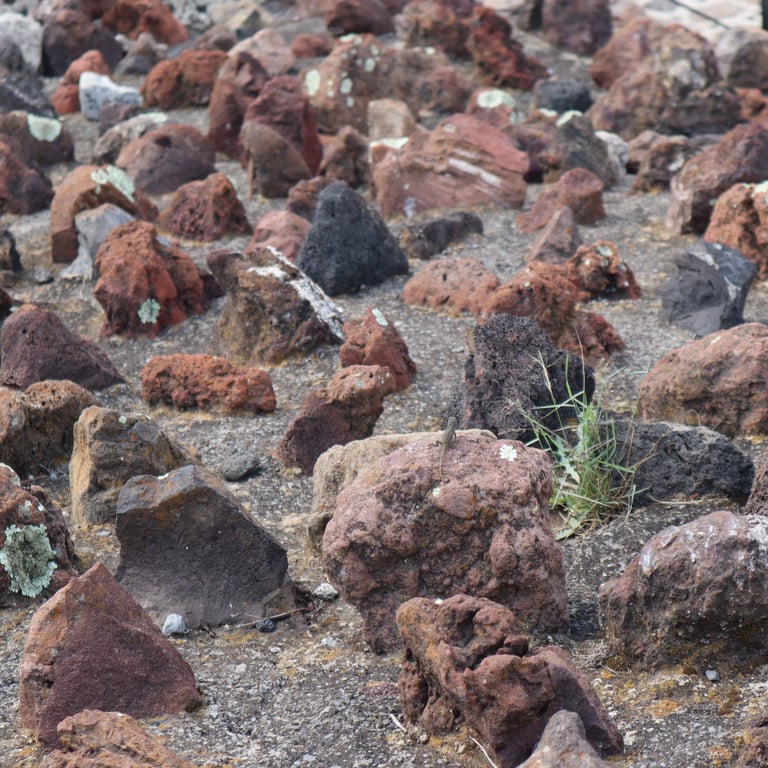
There were also a lot of cute lizards running around.
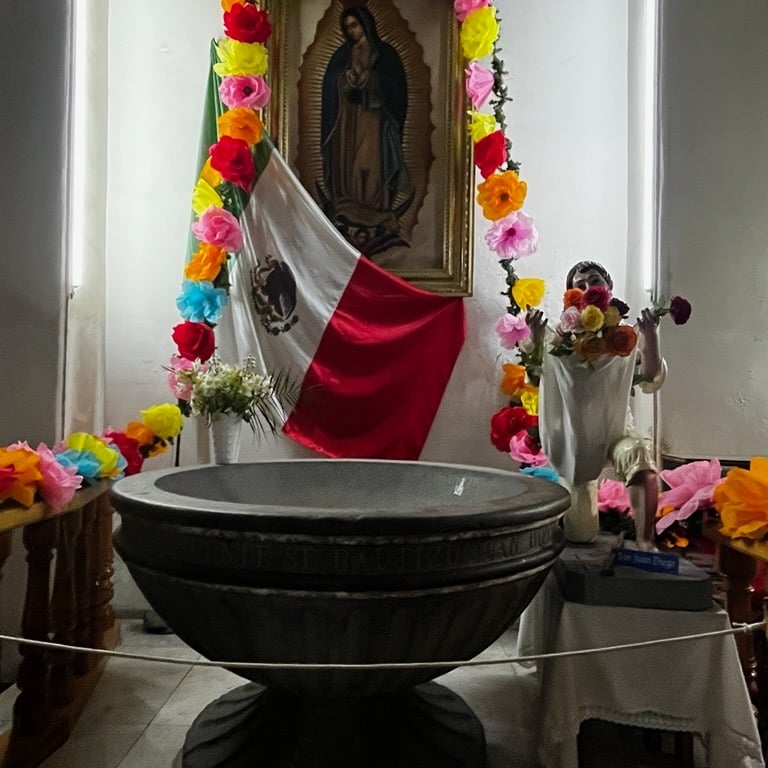
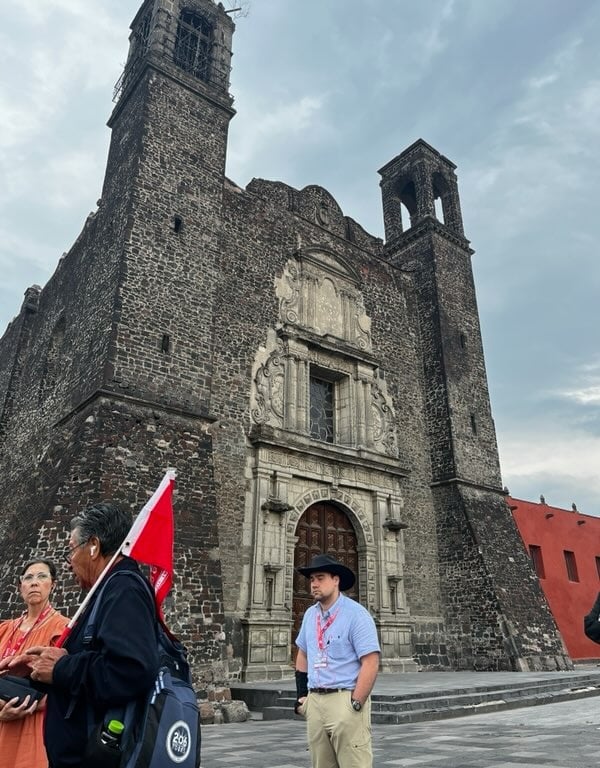
This is the church were St Juan Diego was baptized. This church was built on the ruins of the Aztec pyramids, where they used to offer human sacrifice. The Spaniards tore down the pyramids and used the stones to build the church, but you can still see the bases of the structures nearby.
The Aztecs did all sorts of human sacrifice to appease their false gods- even and perhaps especially the sacrifice of children. When the Spaniards came and forcibly stopped the sacrifices, they were certain that the end of the world had come, especially when they were exposed to foreign illnesses, and many died. The Spaniards treated the natives terribly, so badly in fact, that the Bishop ordered all priests to leave Mexico abandoned for a time because the Spaniards would not repent and change their ways, essentially excommunicating the entire city. Obviously, the missions weren't going so well. Shortly before our Lady appeared, Bishop Zumarraga sent a letter to the Pope describing the dire state of affairs, remarking that "If God Himself does not intervene soon, I fear this whole land will be lost." Everyone was in a state of total despair. But when the Aztecs saw the image of our Lady, millions converted. Why? Here it is in a nushell:
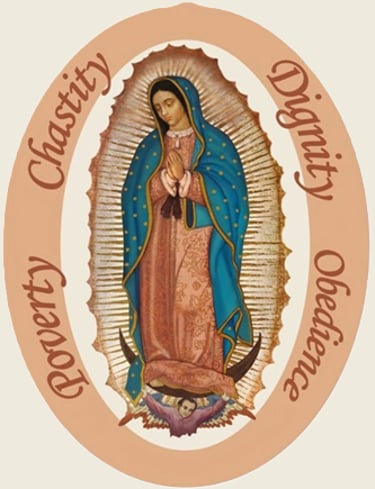
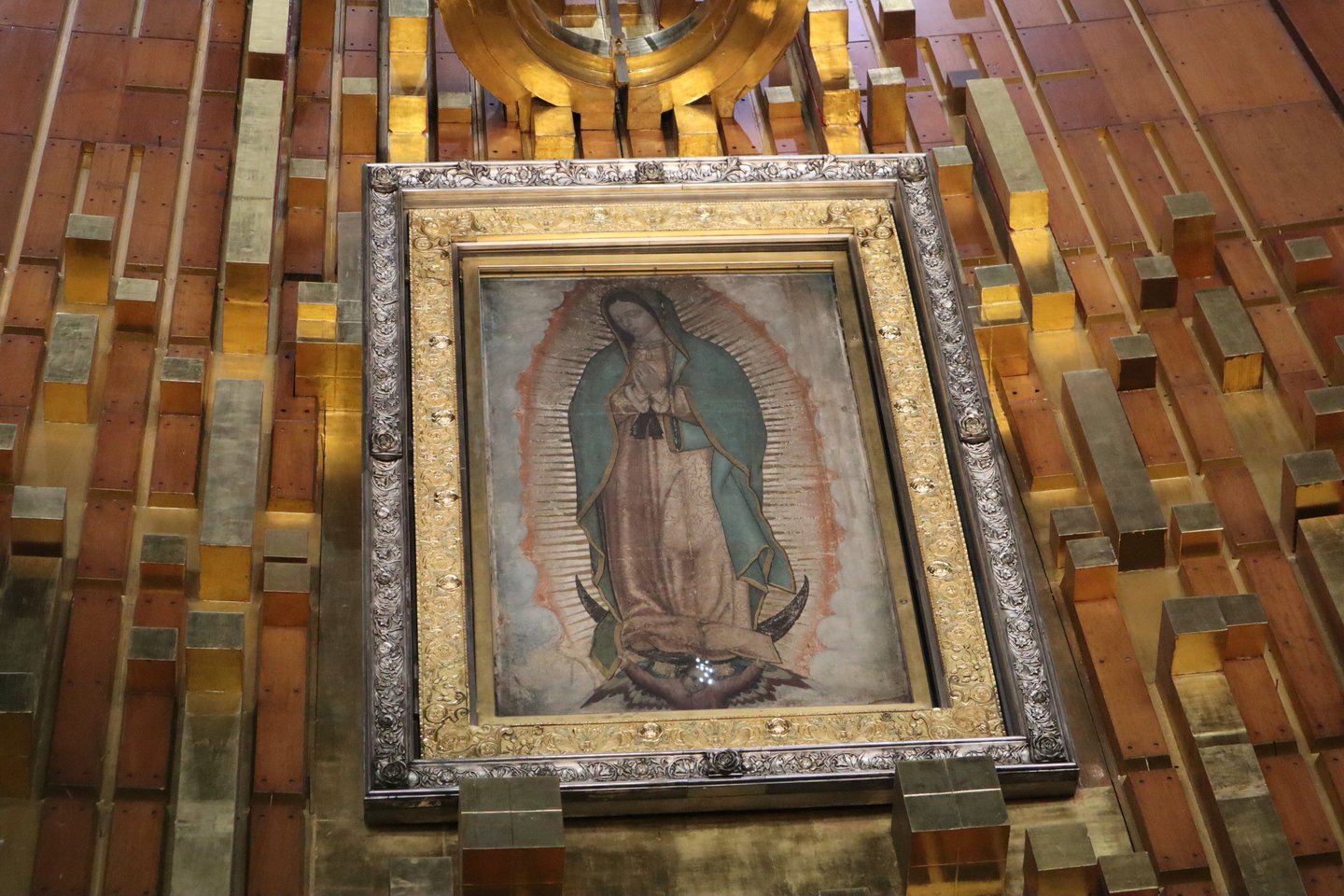
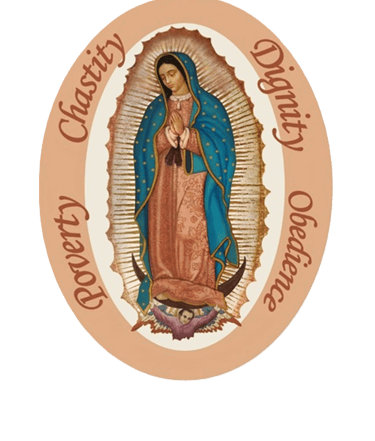
Our Lady's hair is parted in the same way that an Aztec virgin would part her hair, yet the black ribbon around her waist was a custom of pregnant women. The blue mantle was not only symbolic of royalty, but the stars also indicated heaven. The rose-tan color of her dress represents the earth. The angel below her is holding onto both, showing that heaven and earth meet in her. The sun and moon were their highest gods, and she is on top of the moon and in front of the sun, showing that she is greater than these. You will also note that the moon is black- this is an eclipse. The eclipse was a monumental event for the Aztecs, because they thought that the moon was eating the sun, and they had to sacrifice many, many people during an eclipse so that the sun would have the strength to defeat the moon and return. She is greater than their greatest fear and the climax of all evil.
Yet, she is not a god. All their "gods" wore masks, and she has no mask on. Rather, her hands are folded, and her head is bent, showing reverence to one greater than she. Our modern, European-style eyes would not notice, but her bent knee indicates that she is performing a dance of prayer and victory. Most of the flowers on her dress are, in Aztec hieroglyph, Magnolias. Magnolias represented the human heart, which is what they would sacrifice to their gods. Finally, that four-petaled "divine" flower is over her womb, showing that her child is the True God, the center of the universe, who has won the victory over all evil, death, sickness, all their fears, all the false gods they worshiped. The sacrifice of the human heart was not necessary for their salvation; the sacrifice of her Divine Son had conquered all.
Viva Cristo Rey!
Franciscan Daughters of Mary
P.O. Box 122070
Covington, KY
41012
We are a 501(c)(3) charitable organization
©2026 Rose Garden Home Mission- This website belongs to Jesus Christ